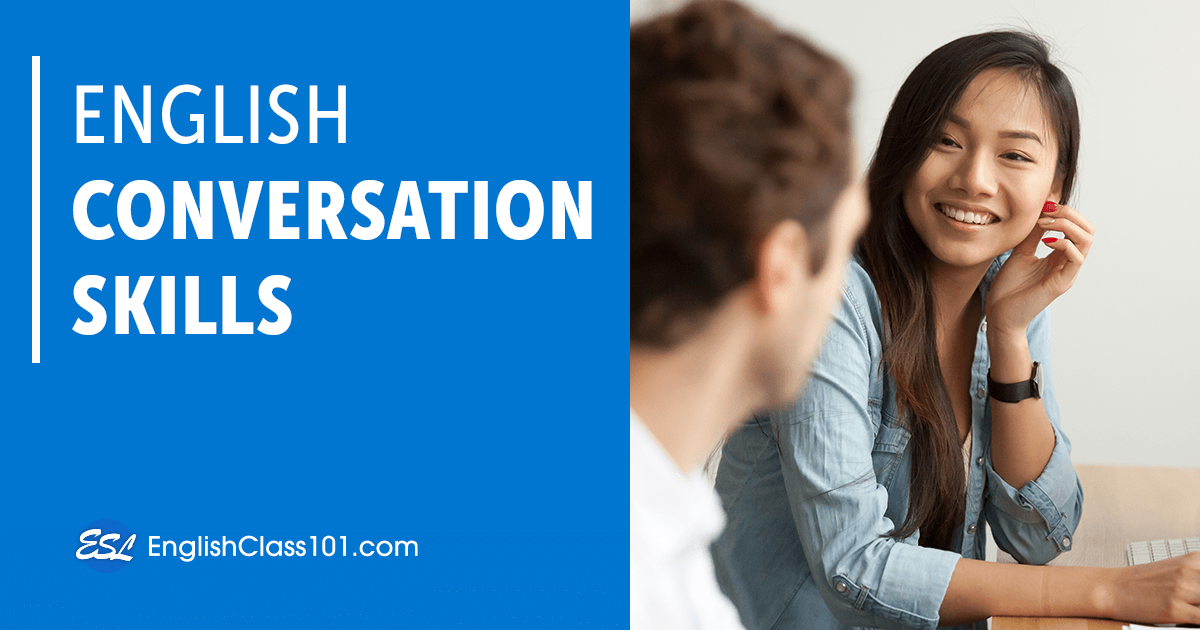
Learning a new language is a thrilling journey. You study vocabulary, memorize grammar rules, and listen to podcasts. Yet, the true magic happens when you start talking with real people. Building strong basic conversation skills in English unlocks a world of connection, cultural exchange, and personal growth. When you know how to connect with native speakers, your language journey transforms from a solitary study session into an engaging, interactive experience.
You might wonder how to improve conversation skills in English without feeling overwhelmed. The answer lies in simple, consistent practice and a willingness to step outside your comfort zone. Whether you are ordering a coffee, chatting with a neighbor, or navigating a professional meeting, strong speaking abilities are essential. In this guide, we explore why these skills matter and provide practical examples to help you start talking today.
Why Speaking Practice Matters
Passive learning—reading books, watching movies, and listening to music—builds an excellent foundation. However, active output is what truly solidifies your understanding. Engaging in regular English conversations forces your brain to retrieve vocabulary instantly and apply grammar rules on the fly. It is like exercising a muscle; the more you use it, the stronger it gets.
Conversations also expose you to the natural rhythm, intonation, and slang of the language. Textbooks often present perfectly structured sentences, but real life is messy. People use idioms, pause to think, and interrupt each other. By practicing regularly, you learn to navigate these natural conversational flows.
Building Confidence Through Connection
Fear of making mistakes holds many learners back. It is completely normal to feel nervous before speaking. However, native speakers generally appreciate the effort you put into learning their language. They care more about understanding your message than evaluating your grammar.
Focusing on how to practice English conversation skills in low-pressure situations helps build your confidence. Start small. Chat with fellow learners or language exchange partners. As you realize that people understand you despite minor errors, your anxiety decreases. You begin to enjoy the process of communicating, which motivates you to practice even more.
Transitioning to Higher Levels
Once you master the basics, you might wonder how to level up. Developing advanced English conversation skills involves learning how to express nuance, debate ideas, and tell engaging stories. It is no longer just about survival communication; it is about authentic self-expression.
Regular conversation practice is the bridge between intermediate plateaus and true fluency. By engaging in diverse conversations—from casual small talk to deep philosophical discussions—you expand your vocabulary and learn how to adapt your tone to different situations.
Five Essential Conversation Examples
To help you get started, we have compiled five practical examples. These scenarios cover common situations you might encounter. Below are five simple, beginner-friendly dialogues, followed by a breakdown of their meaning for clarity.
1. Casual Greetings and Small Talk

Small talk is the gateway to deeper conversations. It shows politeness and opens the door for further interaction.
“Hi there! How is your day going so far? The weather has been surprisingly nice lately, hasn’t it?”
“Hello! My day’s going well, thanks. Yes, it’s beautiful outside. I hope it stays this way for the weekend.”
This simple exchange builds rapport. Notice how the speakers use the present tense to discuss the current situation and the weather. Asking a small question at the end keeps the conversation moving.
2. Ordering Food at a Restaurant

Navigating a restaurant is a classic scenario for language learners. It requires specific vocabulary and polite requests.
“Good evening. Could I please have the grilled chicken salad with a side of fries? Also, I would like a glass of water.”
“Certainly. I will bring that right out for you. Would you like any dressing on the side?”
Using phrases like “Could I please have” and “I would like” sounds much more natural than simply stating “I want.” It is a polite and effective way to communicate your needs.
3. Asking for Directions

Even with digital maps, asking for directions is a valuable skill. It is a fantastic way to initiate a brief interaction with a local.
“Excuse me, I’m a bit lost. Could you point me to the nearest train station?”
“Of course! Go straight down this street for two blocks, then take a left. You’ll see the station on your right.”
The phrase “Excuse me” is the perfect way to politely interrupt someone. The response uses clear, direct commands that are easy to follow.
4. Making Weekend Plans

Discussing plans with friends is a great way to practice future tense concepts naturally.
“Do you have any plans for this weekend? I was thinking about checking out that new museum downtown.”
“That sounds like a great idea! I’m free on Saturday afternoon. Should we meet there around two o’clock?”
This dialogue shows how to suggest an activity and agree on a time. It feels casual and friendly, perfect for making plans with peers.
5. Giving a Compliment

Giving a sincere compliment is one of the quickest ways to bring a smile to someone’s face and start a positive interaction.
“I just wanted to say that I really like your jacket. The color looks fantastic on you.”
“Thank you so much! I actually just bought it last week. That is very kind of you to say.”
Compliments open the door for more conversation, perhaps about where the item was purchased or personal style. It is a warm, inviting way to connect.
Keep the Conversation Going
Every time you speak, you take a step closer to fluency. Remember that ninety-nine percent of communication is simply about trying. Mistakes are not failures; they are stepping stones. If you are looking for more structured guidance on improving your conversational English, surrounding yourself with excellent resources is key.
Keep listening, keep practicing, and most importantly, keep talking. Your confidence will grow with every word you speak. Ready to take your skills to the next level? Join us at EnglishClass101.com to find engaging lessons, native speaker audio, and community support designed to get you speaking with confidence today!