What is the US national anthem actually about? “The Star-Spangled Banner” describes one night in 1814, when the lawyer and amateur poet Francis Scott Key watched British ships attack a fort in Baltimore and waited to see if the American flag would still be flying in the morning. It was.
The words are old-fashioned, so even many native speakers find them hard to follow. In this guide, you’ll read the first verse, see what each line means in simple English, learn the trickiest words, and find out what to do when the anthem plays. There’s a short quiz near the end to check your understanding.
The Star-Spangled Banner in Simple English
The meaning in two sentences
After a long night of battle, can you still see our flag in the early morning light? Yes: the rockets and bombs lit up the sky and showed that the flag was still flying over the fort.
Key facts
- Words: Francis Scott Key, 1814
- Event: the attack on Fort McHenry, Baltimore, War of 1812
- Official anthem since: March 3, 1931
- Usually sung: the first verse only
Six tricky words
| o’er | over |
| twilight | the time just after sunset |
| perilous | dangerous |
| ramparts | the walls of a fort |
| gallantly | bravely |
| star-spangled banner | a flag covered with stars |
Table of Contents
- What Is the US National Anthem?
- The Star-Spangled Banner Lyrics (First Verse)
- What the Lyrics Mean, Line by Line
- Key Vocabulary From the Anthem
- When and Where Americans Sing the National Anthem
- National Anthem Etiquette: What to Do
- Quiz: Do You Understand the Anthem?
- US National Anthem FAQ
- Final Thoughts
1. What Is the US National Anthem?
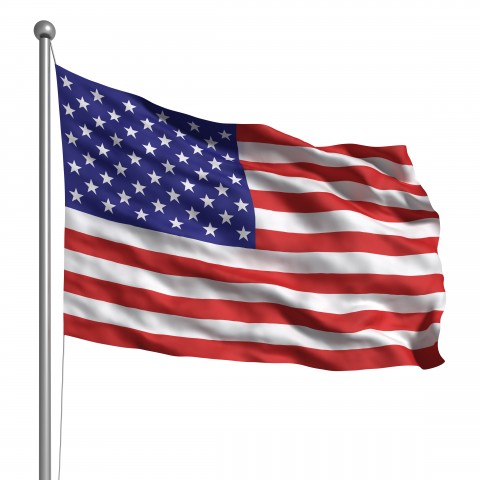
The national anthem of the United States is “The Star-Spangled Banner.” The words come from a poem written by Francis Scott Key, a lawyer and amateur poet, during the War of 1812 between the United States and Great Britain.
In September 1814, Key was on a ship in Baltimore Harbor while British ships bombarded Fort McHenry, the fort that protected the city. The attack lasted about 25 hours, through the night. On the morning of September 14, Key looked through the smoke and saw a huge American flag still flying over the fort. The Americans had held their ground. Inspired, he wrote a poem he first called “Defence of Fort M’Henry.”
The poem was soon set to the tune of “To Anacreon in Heaven,” a popular song by the British composer John Stafford Smith. President Woodrow Wilson ordered it played at official occasions in 1916, and on March 3, 1931, President Herbert Hoover signed the law that made it the official national anthem. The flag that Key saw is now kept at the Smithsonian’s National Museum of American History in Washington, D.C.
2. The Star-Spangled Banner Lyrics (First Verse)

Key’s poem has four verses, but at almost every event, only the first verse is sung. Here it is:
O say can you see, by the dawn’s early light,
What so proudly we hailed at the twilight’s last gleaming,
Whose broad stripes and bright stars through the perilous fight,
O’er the ramparts we watched, were so gallantly streaming?
And the rocket’s red glare, the bombs bursting in air,
Gave proof through the night that our flag was still there;
O say does that star-spangled banner yet wave
O’er the land of the free and the home of the brave?
Want to hear it sung slowly and clearly? In the video lesson The Star Spangled Banner from our Lyric Lab series, singer Taryn Brady performs the first verse, and you can study key words like perilous, ramparts, and star-spangled line by line.
Hear the anthem sung slowly and clearly
In our Lyric Lab lesson, you’ll listen to “The Star-Spangled Banner” and study its key words line by line, so the old-fashioned English finally makes sense.
Watch the Lyric Lab Lesson3. What the Lyrics Mean, Line by Line
The anthem is written in poetic English from the early 1800s, so the word order can feel strange. The whole verse is really two questions. Each card shows the original line, then what it means in everyday English:
In short, the song asks one big question: after a long night of fighting, is the American flag still flying? The answer, seen at sunrise, was yes.
4. Key Vocabulary From the Anthem
Many words in the anthem are rarely used in daily conversation today.
| Word | Meaning | Example sentence |
|---|---|---|
| dawn | the first light of the morning | We left the campsite at dawn. |
| hail (verb) | to greet or praise someone or something | The newspaper hailed her as a hero. |
| twilight | the soft light just after the sun sets | The streetlights came on at twilight. |
| gleaming | shining softly; here, the last light of the day | The car was gleaming after the wash. |
| broad | wide | He has broad shoulders. |
| perilous | very dangerous | The climbers made a perilous journey. |
| o’er | a short, poetic form of “over” | (Used mainly in poems and songs.) |
| ramparts | the thick walls around a fort or castle | Soldiers walked along the ramparts. |
| gallantly | bravely and proudly | The team fought gallantly until the end. |
| glare | a strong, bright light | The glare of the headlights blinded me. |
| banner | a flag or a long piece of cloth with a design on it | Fans held a banner with the team’s name. |
| star-spangled | covered with stars | The stage had a star-spangled curtain. |
Build more holiday and patriotic vocabulary with the lesson Flag Day in the United States, or read a short, simple story in The United States Flag.
5. When and Where Americans Sing the National Anthem
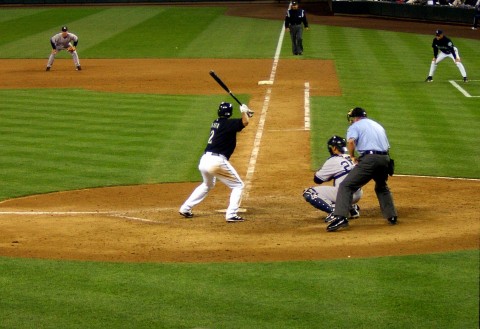
In the United States, you will hear the national anthem much more often than in many other countries. It is played:
- Before sports games: professional and college baseball, football, basketball, and hockey games usually begin with the anthem.
- At big national events: the Super Bowl, the Fourth of July, and other celebrations.
- At the Olympics: when an American athlete wins a gold medal.
- At official ceremonies: military events, government ceremonies, and some graduations.
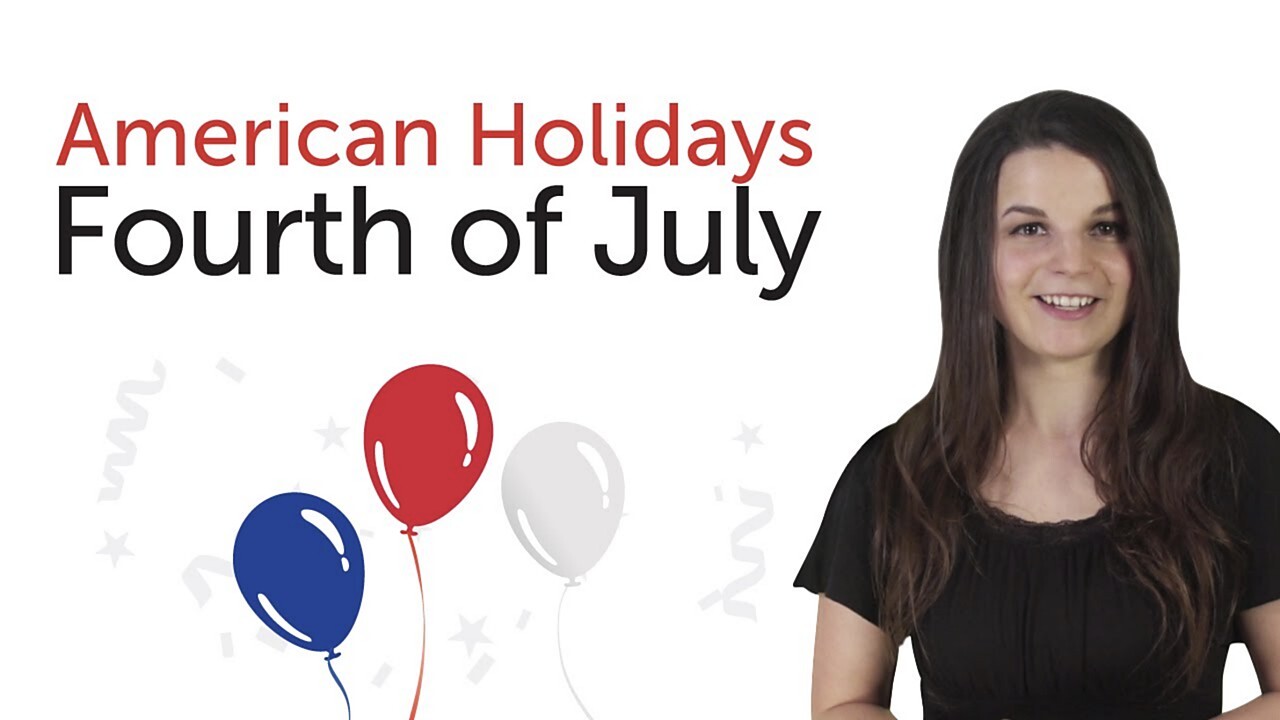
The biggest day for the anthem is the Fourth of July, or Independence Day. In our video lesson Fourth of July, EnglishClass101 host Alisha explains that it marks the signing of the Declaration of Independence on July 4, 1776. “Think of it as America’s birthday!” Families go to picnics and barbecues, people dress in red, white, and blue, and towns hold parades during the day. After dark, Americans gather to watch fireworks. The biggest displays, in New York City and Washington, D.C., are shown on national TV, and the president attends the one in Washington.
Alisha also explains why fireworks are such a big part of the day. The tradition goes back to John Adams, the second US president, who wrote that the Fourth should be celebrated “with shows, games, sports, guns, bells, bonfires and illuminations.” Watch the lesson to learn useful holiday words like patriotic, parade, and to commemorate.
Before the anthem starts, an announcer usually says something like this. These are useful phrases to recognize:
- “Please rise for the singing of our national anthem.” (Please stand up.)
- “Please remove your caps.” (Please take off your hats.)
- “Please remain standing.” (Please keep standing.)
At baseball games, the moment the anthem ends, the umpire often shouts, “Play ball!” and the game begins.
6. National Anthem Etiquette: What to Do

US law describes how people should behave during the national anthem. These guidelines are not enforced with fines, but most Americans follow them as a sign of respect:
- Stand up and face the flag. If there is no flag, face the music.
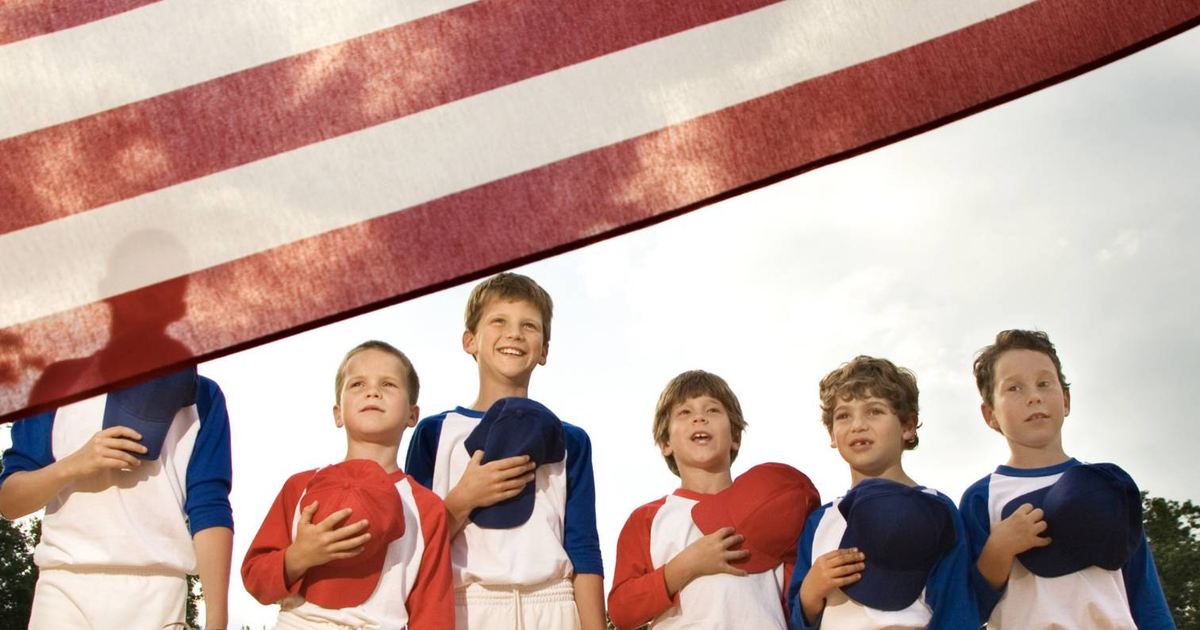
- Place your right hand over your heart from the first note to the last.
- Take off your hat if you are not in uniform, and hold it at your left shoulder, with your hand over your heart.
- Salute if you are in military uniform. Veterans and service members out of uniform may also salute.
- Stay quiet. Stop talking, put your phone away, and wait until the song is finished before you sit down.
These guidelines come from the US Code (36 U.S.C. § 301), which describes expected conduct but does not include penalties. If you’re visiting from another country, you don’t need to put your hand over your heart. Standing quietly and respectfully is the polite choice.
7. Quiz: Do You Understand the Anthem?
Check what you’ve learned about the US national anthem. Tap an answer to see if you’re right.
Question 1. In the anthem, what does “o’er” mean?
Question 2. What question does the first verse really ask?
Question 3. You’re at a baseball game and the announcer says, “Please rise for our national anthem.” What should you do?
8. US National Anthem FAQ
Who wrote the US national anthem?
Francis Scott Key wrote the words in September 1814. The music comes from “To Anacreon in Heaven,” a song by the British composer John Stafford Smith.
When did “The Star-Spangled Banner” become the national anthem?
It became the official national anthem on March 3, 1931, when President Herbert Hoover signed it into law. It was already widely used before then.
How many verses does the US national anthem have?
It has four verses, but only the first verse is usually sung at games and ceremonies.
Why is the national anthem so hard to sing?
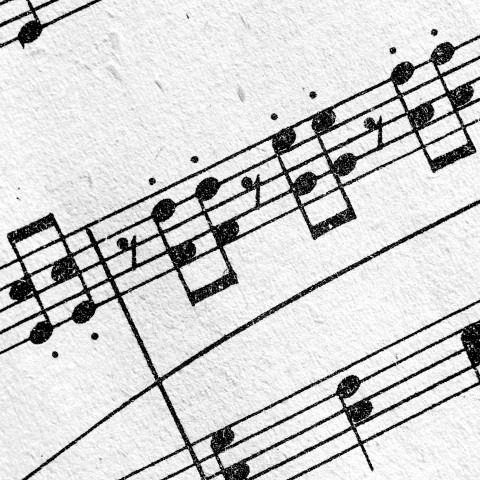
The melody covers a very wide range of notes, about one and a half octaves. Many singers start too high and struggle with the high note on “land of the free.”
What does “star-spangled banner” mean?
It means a flag covered with stars. “Spangled” means decorated with small, shiny things, and a “banner” is a flag. The phrase is a poetic name for the American flag.
9. Final Thoughts
“The Star-Spangled Banner” tells the story of one night in 1814 and one big question: is the flag still there? Now that you know what “dawn,” “ramparts,” and “o’er” mean, you can follow the song, and maybe even sing along, the next time the US national anthem plays.
Want more American culture? Learn about America’s biggest patriotic holiday in Fourth of July, or challenge yourself with the advanced lesson Top 10 US Holidays: Independence Day.
Ready to sing along?
Watch the Lyric Lab lesson The Star Spangled Banner and practice the anthem’s key words with real audio.
Watch the Lyric Lab LessonDoes your country have a national anthem that is sung at sports games? Tell us about it in the comments!