For many people around the world, the arrival of spring brings with it one of the most widely celebrated holidays of the year: Easter. In English-speaking countries such as the United States, the United Kingdom, Canada, and Australia, Easter is a vibrant, multi-faceted holiday.
It seamlessly blends solemn religious observance with joyful, secular celebrations of springtime, renewal, and family. Whether you are learning English and want to understand the cultural context of the holiday, or you are simply curious about how different nations welcome the spring season, understanding these celebrations provides a wonderful window into English-speaking cultures.
While the holiday is rooted in the Christian faith, commemorating the resurrection of Jesus Christ, many of the most popular ways people celebrate today have evolved from ancient spring festivals. Over centuries, these various threads have woven together to create a holiday characterized by colorful decorations, sweet treats, and time spent with loved ones. In this article, we will explore the history, the food, and the unique ways families come together during this special time of year.
Table of Contents- The Easter Timeline: From Friday to Monday
- Icons of the Holiday: The Easter Bunny and Colorful Eggs
- A Feast for Family: The Traditional Easter Dinner
- Fun and Festivities: Games and Activities
- Unique Regional Traditions
- Conclusion
1. The Easter Timeline: From Friday to Monday

Unlike holidays that fall on the same date every year, such as Christmas or Valentine’s Day, Easter is a “movable feast.” Its date changes annually, falling on the first Sunday after the first full moon following the spring equinox. This means Easter can occur anywhere between late March and late April.
The core of the holiday is Easter Sunday, the day of primary celebration and feasting. However, the observance often stretches into a longer weekend. It begins with Good Friday, a solemn day of remembrance in the Christian calendar, which is a public holiday in countries like the UK, Australia, and Canada.
For many learners of English, the days following the main event can be confusing, prompting the question: What is Easter Monday? Easter Monday is simply the day after Easter Sunday. In the United Kingdom, Australia, and Canada, it is recognized as a national public holiday, giving people an extended weekend to relax, travel, or spend more time with family. In the United States, however, Easter Monday is not a federal holiday, and most businesses and schools operate on their normal schedules.
2. Icons of the Holiday: The Easter Bunny and Colorful Eggs
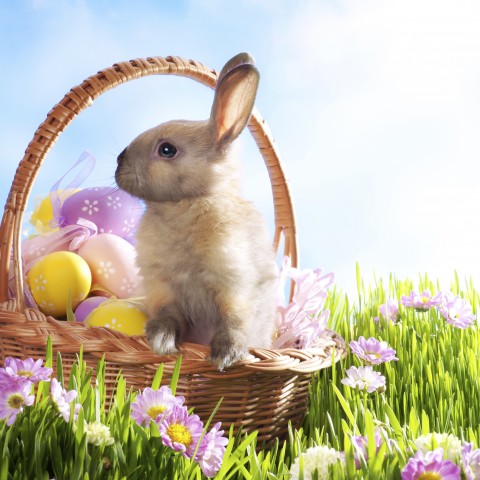
When looking at how Easter is celebrated in the modern era, you cannot ignore its most famous secular mascot: the Easter Bunny. The concept of a mythical rabbit delivering goods to children originated with German immigrants who settled in the United States in the 1700s. They brought with them the tradition of an egg-laying hare called “Osterhase.” Over time, this figure evolved into the Easter Bunny, who is now said to leave baskets filled with chocolates, candies, and toys for children on the night before Easter Sunday.
The rabbit, known for its rapid reproduction, has long been a symbol of fertility and new life. This ties perfectly into the broader themes of spring. Similarly, the egg is perhaps the most universal of all Easter symbols, representing the tomb from which Christ emerged and the broader concept of rebirth as the earth awakens from winter.
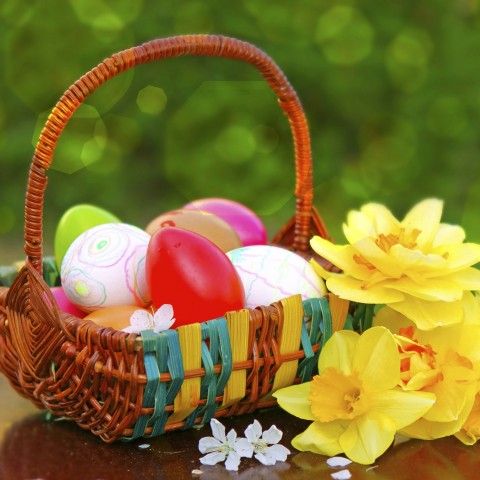
Decorating eggs is one of the most cherished Easter traditions. Families often boil chicken eggs until they are hard, then use food coloring, vinegar, and wax to dye them in bright pastel colors like pink, baby blue, and pale yellow. In recent decades, however, chocolate eggs have become just as prominent as real ones. Millions of foil-wrapped chocolate eggs are sold and consumed every year, ranging from bite-sized candies to massive, hollow chocolate centerpieces filled with even more sweets.
3. A Feast for Family: The Traditional Easter Dinner

Food is central to almost every cultural celebration, and Easter is no exception. After attending morning church services or participating in morning festivities, families typically gather for a large, festive meal in the afternoon.
The centerpiece of a traditional Easter dinner in many English-speaking countries is a roasted ham or roasted lamb. The tradition of eating lamb is deeply tied to the holiday’s religious roots, specifically the Jewish Passover and the concept of the “Lamb of God.” Ham, particularly in the United States, became a popular alternative because historically, meat slaughtered in the fall and cured over the winter was ready to eat by early spring, making it a practical and delicious centerpiece for the feast.
Side dishes usually feature early-spring vegetables. You will often find roasted asparagus, glazed carrots, fresh peas, and scalloped potatoes on the table.
No discussion of Easter food would be complete without mentioning baked goods. In the United Kingdom, Australia, and Canada, Hot Cross Buns are an essential part of the holiday. These are sweet, spiced bread buns studded with raisins or currants and marked with a cross on the top, symbolizing the crucifixion. They are typically eaten toasted with butter on Good Friday, but are enjoyed throughout the holiday season.
4. Fun and Festivities: Games and Activities
A major part of the holiday, especially for families with young children, involves interactive Easter activities. These events get people outdoors to enjoy the improving spring weather.
The most iconic of these is the Easter egg hunt. Parents or community leaders hide decorated hard-boiled eggs, plastic eggs filled with jelly beans, or chocolate eggs around a garden, park, or house. Children are then given baskets and set loose to find as many hidden treasures as they can. Many towns and cities host massive community egg hunts, drawing hundreds of participants.
Beyond the hunt, there are several other popular Easter games. In the United States, the White House hosts an annual Easter Egg Roll on its South Lawn. Children use long-handled wooden spoons to push decorated eggs through the grass in a race to the finish line.
In the UK, a different game called “egg tapping” or “egg jarring” is sometimes played. Participants hold a hard-boiled egg and tap it against their opponent’s egg; the winner is the person whose egg remains uncracked the longest.
These Easter customs highlight the joyful, playful nature of the secular holiday, focusing on community and the simple pleasures of the season.
5. Unique Regional Traditions
While the core elements of the holiday are shared, Easter traditions vary depending on where you are in the English-speaking world.
In Australia, the Easter Bunny faces some competition. Because rabbits are an invasive species in Australia that have caused immense ecological damage, many Australians prefer the “Easter Bilby.” The bilby is a native Australian marsupial with long, rabbit-like ears. Chocolate bilbies are sold alongside chocolate bunnies, with proceeds often going toward conservation efforts to protect this endangered native animal.
In the United Kingdom, certain regions still practice “Morris dancing” during the Easter season. This is a traditional English folk dance in which groups of people, often dressed in white with bells attached to their shins, perform choreographed steps while holding sticks or handkerchiefs. It is a vibrant, noisy display meant to welcome spring and ward off the dark days of winter.
In parts of the United States, particularly in major cities like New York, you might witness an Easter Parade. The most famous is the Easter Parade on Fifth Avenue in Manhattan, where people stroll down the street wearing spectacular, elaborately decorated hats known as “Easter bonnets.” This tradition dates back to the 1800s, when wealthy citizens would attend church in their finest new spring clothes and then walk along the avenue.
6. Conclusion
From the solemn religious services of Good Friday to the sugar-fueled excitement of a Sunday egg hunt, Easter in English-speaking countries is a holiday of contrast and celebration. It is a time when the bleakness of winter is officially swept away, replaced by pastel colors, blooming flowers, and the warmth of family gatherings.
By understanding these various customs for Easter—whether it is the historical significance of a roasted lamb, the playful competition of an egg roll, or the sweet satisfaction of a chocolate bunny—you gain a deeper appreciation for the culture and values of the English-speaking world. The holiday serves as a universal reminder of hope, renewal, and the enduring joy of welcoming a new season.